
How Many Guests Is Too Many? Finding the Right Number for an Intimate Wedding
Wedding Planning · The Singing Heart Estate
There is a moment in almost every engagement where someone, a parent, a future in-law, a well-meaning friend , says something like: "Well, once you add the cousins, you're already at sixty."
And just like that, the wedding you had in your head starts to look like the wedding someone else is planning.
Guest numbers are one of the most emotionally charged decisions in wedding planning. They sit at the intersection of family dynamics, budget realities, and the kind of day you actually want to have. Getting clear on them early, before the venue is booked, before the invitations go out, is one of the most useful things you can do.
Why guest numbers matter more than most couples realise
The number of guests at your wedding shapes everything downstream: the venue you can use, the food you can afford, how the day feels, how present you are in it.
A wedding of 80 people has a fundamentally different energy than a wedding of 40. Neither is wrong. But they are not the same experience. At 80, you will spend the majority of your reception moving from table to table, ensuring no one feels unseen. At 40, you sit down, eat a long meal with the people you love most, and actually remember the conversations you had. Couples who choose smaller weddings often say the same thing afterwards: "I actually got to be there and didn't feel as anxious"
The questions worth asking before you set a number
Before you land on a figure, it helps to ask a few honest questions.
Who do you actually want there? Not who feels obligated, not who might be offended if excluded, who do you genuinely want beside you on that day? Write that list first, before any social calculus gets involved. It is usually shorter than people expect.
What does your budget allow? The cost-per-head of a wedding is real. Catering, seating, florals, glassware — every additional guest has a cost attached. Keeping numbers intentional means the budget you have goes further on the things that matter: better food, more beautiful florals, a venue that feels right rather than just large enough.
How do you want the day to feel? If you want it to feel like a dinner party at a beautiful private estate, personal, warm, that feeling is hard to sustain above a certain number. If you want scale, dancing, and a large room full of people, that is a different kind of event and it deserves a different kind of venue.
What does your partner want? It sounds obvious, but guest list conversations often happen as a couple negotiating with families rather than a couple deciding together first. Getting aligned with each other before the wider conversation begins makes everything easier.
The case for keeping it smaller than you think
There is a reason intimate weddings have grown so significantly in the past few years, and it is not just budget. Couples are increasingly choosing smaller celebrations because they want to be present for them.
A guest list of 20 to 50 people is large enough to feel like a proper celebration and small enough that you will actually speak to everyone. You will know every name in the room. The people there will know each other, or will by the end of the night. The energy is warm rather than diffuse.
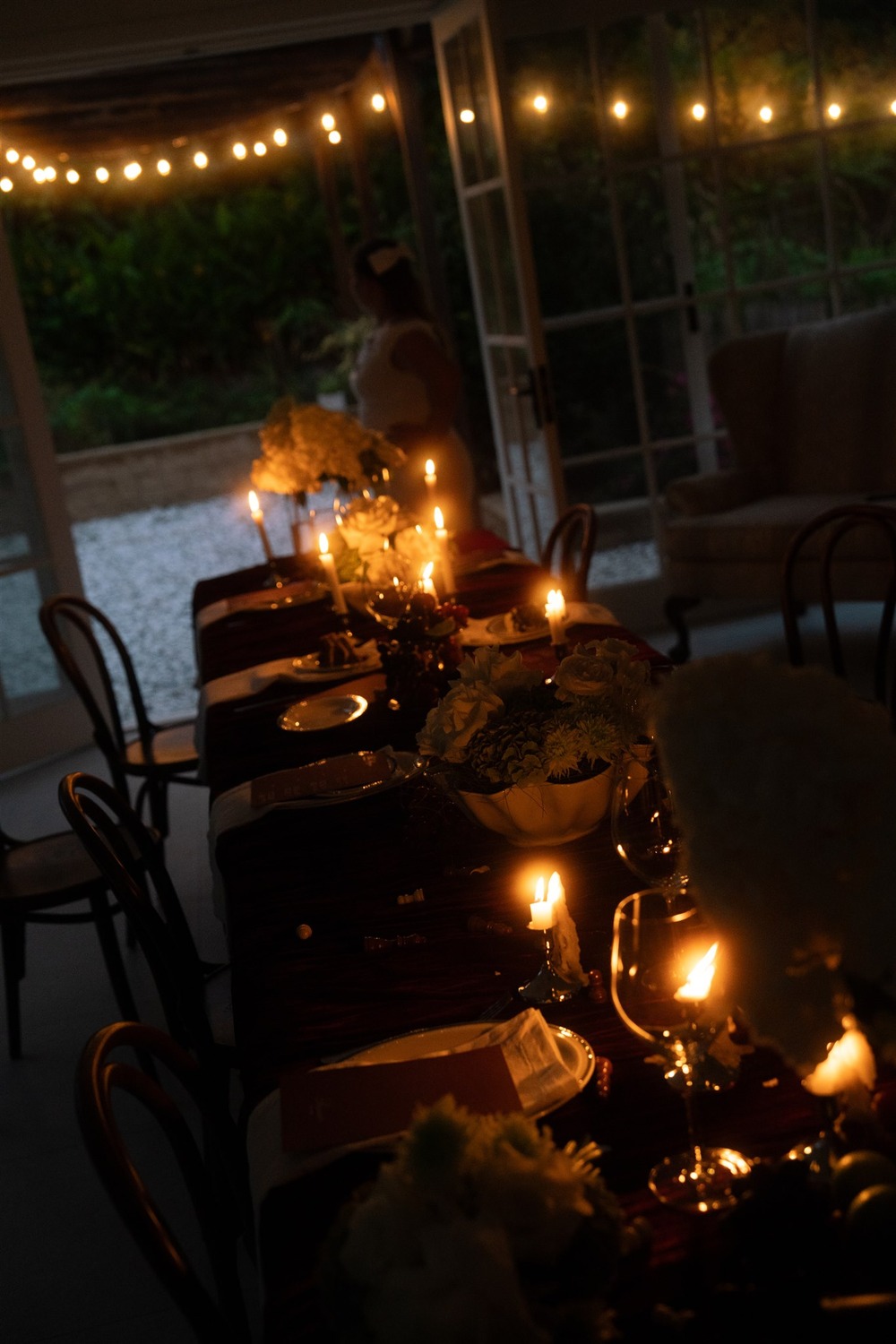
At this scale, catering becomes more considered. You can afford a private chef, a long shared table, something that feels more like a dinner at a French estate than a banquet. The florals can be layered and lush rather than stripped back for budget. The venue can be private rather than a function room.
The intimacy is not a compromise. It is the point.
What to say when the list starts to grow
The most common reason guest lists expand beyond what couples originally wanted is the discomfort of saying no to people they care about. There is no script that makes this completely easy, but a few things help.
Be clear early. Once people know you are engaged, they often begin assuming they are invited. Letting family know early, kindly, directly, that you are planning something very small avoids the awkwardness of withdrawing an assumption later.
Frame it around the experience, not the exclusion. You are not leaving people out. You are creating something that works specifically because of its size. Most people, when it is explained that way, understand.
Consider a separate celebration. Some couples host a small wedding and then a larger, lower-stakes gathering , a backyard lunch, a dinner at a favourite restaurant, a few weeks later. The wedding stays as intended. The wider circle still gets to celebrate with you.
What intimate looks like in practice
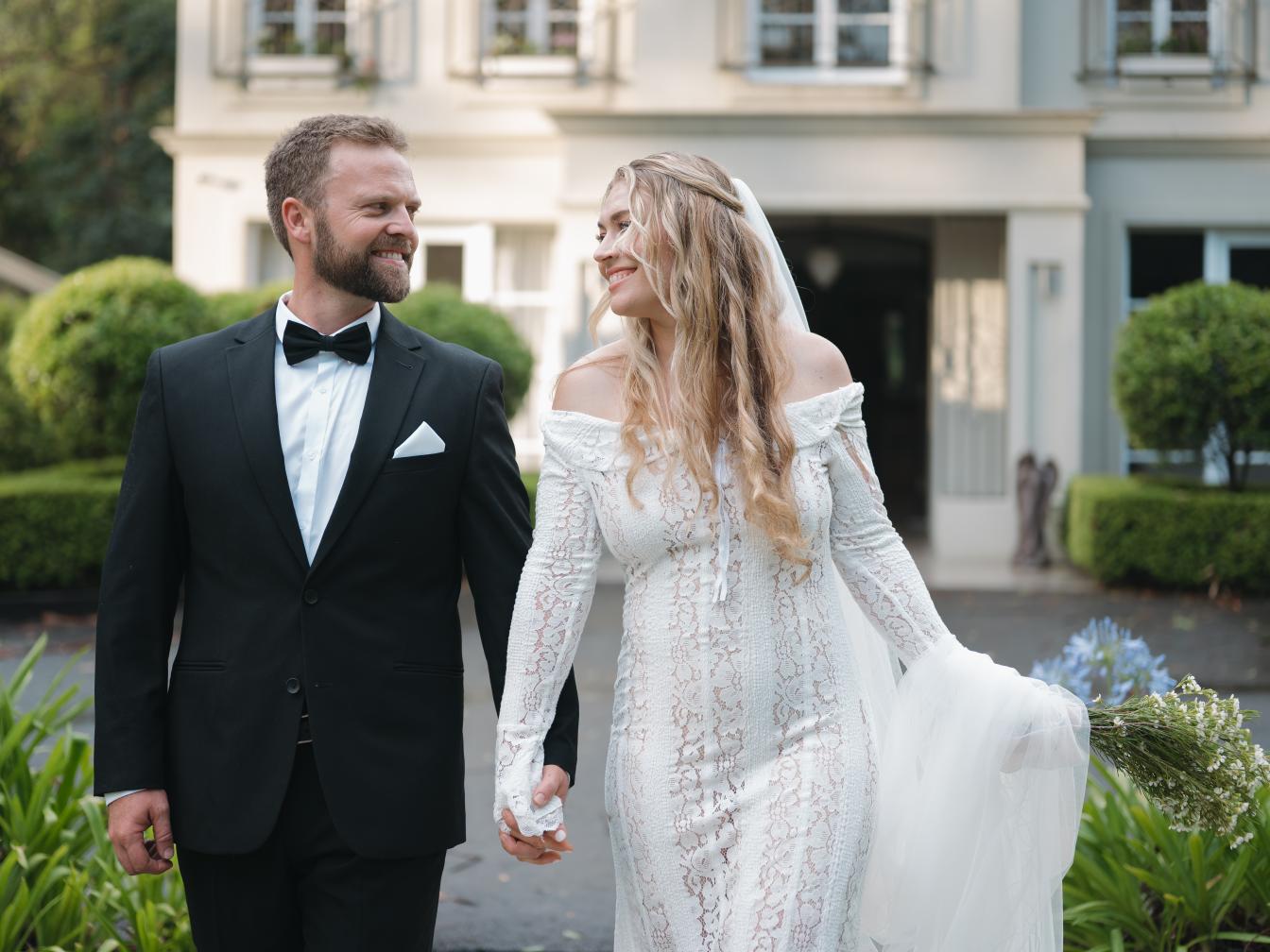
At The Singing Heart Estate, we host weddings for up to 50 guests. In practice, most of the weddings held here sit between 20 and 40. That is not a coincidence — it is the number that works best with the spaces, the flow of the day, and the kind of experience the estate is designed to create.
The Orangerie seats a long table beautifully at that scale. The gardens feel inhabited rather than empty. The ceremony feels gathered and close rather than formal and distant.
If you are weighing up what your number should be, we are always happy to talk it through. Sometimes it helps to see the spaces first — to understand what a wedding of 25 looks like here, or 40, before you commit to a number on paper.
Book a private tour →
The Singing Heart Estate is a private French-inspired wedding estate in Tanawha on the Sunshine Coast, hosting intimate weddings for up to 50 guests.